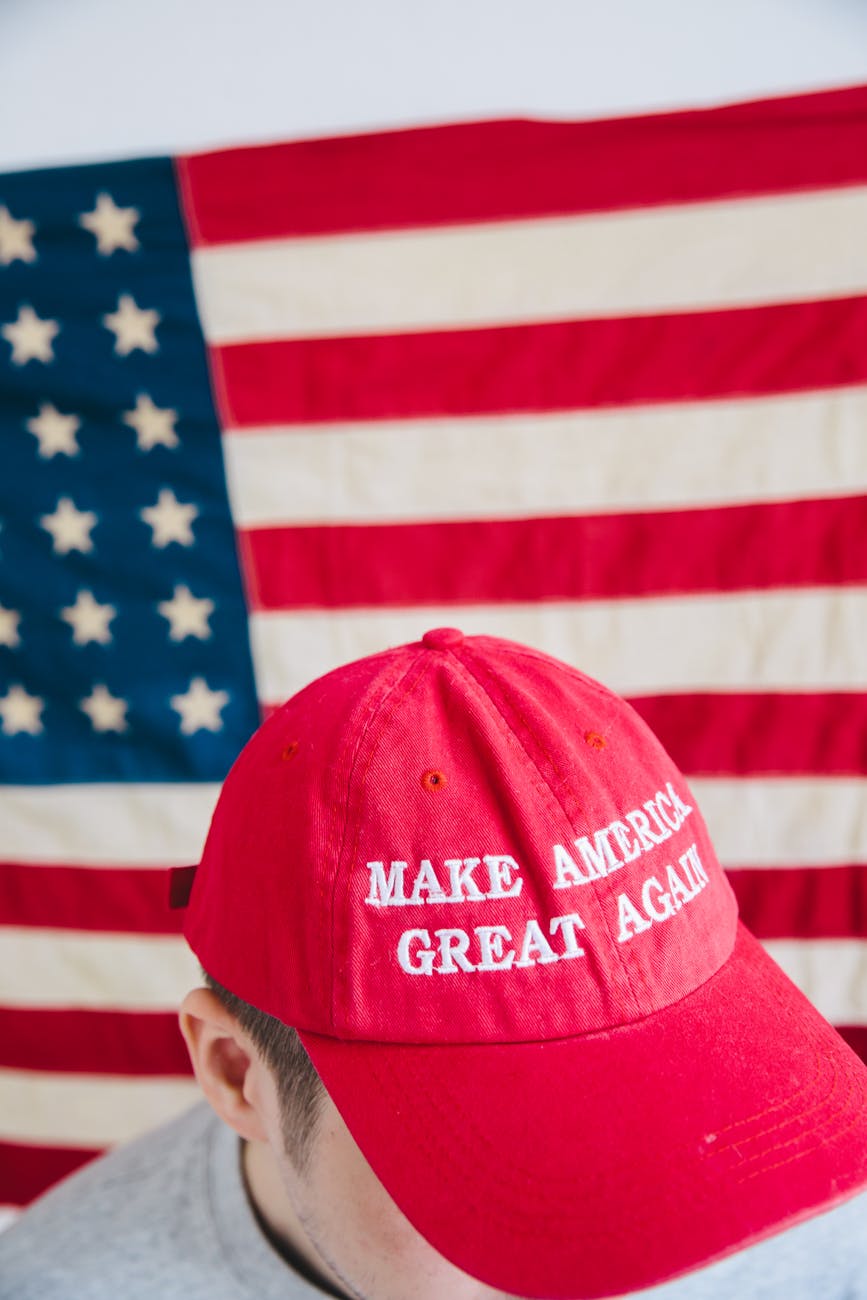
I worked for Donald Trump for a year. The US Department of Education had a teacher ambassador program, designed to give educators some idea about how government works, while keeping policy makers in touch with what was really going on in schools. Most ambassadors kept their teaching positions, traveling to Washington four or five times during the year for in-person work, connecting by email and phone at school the rest of the time.
The program was finally opened up to school counselors—and when it was, I was first in line to apply. They flew me in for a day of group interviews, short-term writing assignments, and a constant sense that I was in over my head with all the other candidates, most of whom had served as a government fellow in some other capacity or had earned Educator of the Year status. All I had was my wits and copies of a list of five programs or initiatives I’d like to work on if I was appointed.
From what I can tell, it was the one-pager that sealed the deal, giving me both the chance to be a groundbreaking counselor, and to make a tough choice. I applied for the position during the Obama administration’s waning days, thinking like anyone drawing breath I would be working as part of the Hillary Clinton administration.
Oops.
I now had to roll the dice. Was this guy going to ignore education, basically giving the department self-governance status, or would he wake up one day and decide America needed a new education compass, and I was going to have to implement it or else?
He appointed a Secretary of Education who, like most wealthy people who never went to public school, had their idea of what education should look like, but also like most wealthy people, had never really run anything. With any luck, this would mean I’d get to define most of my own work in the first year of the administration while they got their feet wet. Toeing the line would be a task for someone else, later on.
That’s why my heart skipped a beat in my office at school, when my Department of Education cell phone rang for the one and only time I had it. As I recall, Congress had just taken action on a vital piece of education policy, and the Department wanted to know how this would affect counselors.
Realizing what was at stake, I casually said “Sure. What are you looking for?”
“About 500-600 words. In an hour.”
This was the World Series dream for writers who are policy geeks. Bases loaded, two outs, score tied, bottom of the ninth. For your country.
600 words flowed out of my hands like melting vanilla out of a Fourth of July ice cream cone. The conversation I had with myself went something like “OK, so first this… then this… then this… and now this.”
And I never talk to myself when I write.
45 minutes later, I checked for wiggly red lines that betrayed typos. When I didn’t see any, I sent the one and only draft to my DC supervisor, sure it would get edited to death.
Two hours later, it was released by the Department as an official response, word for word.
I never met him, and chances are he never even cared that much about what was my heart’s calling. But I cared about it, and knew it mattered, a minute expression of standing in harm’s way that changed the world, if only a little.
Not bad for government work.
Au Lait
The wrist’s hesitation
The cream’s unexpected surge
A knot in the turbinado
And it’s java overboard.
With sighs
And eyerolls
A look at your watch
And fear in your head
Convinced this will set the entire day
Ajar
The paper towels are beckoned.
A wipe
Maybe two
Trip to the trash can
Enroute to the car?
Four extra seconds.
Really?
Like what you see? Subscribe for free!


Leave a Reply