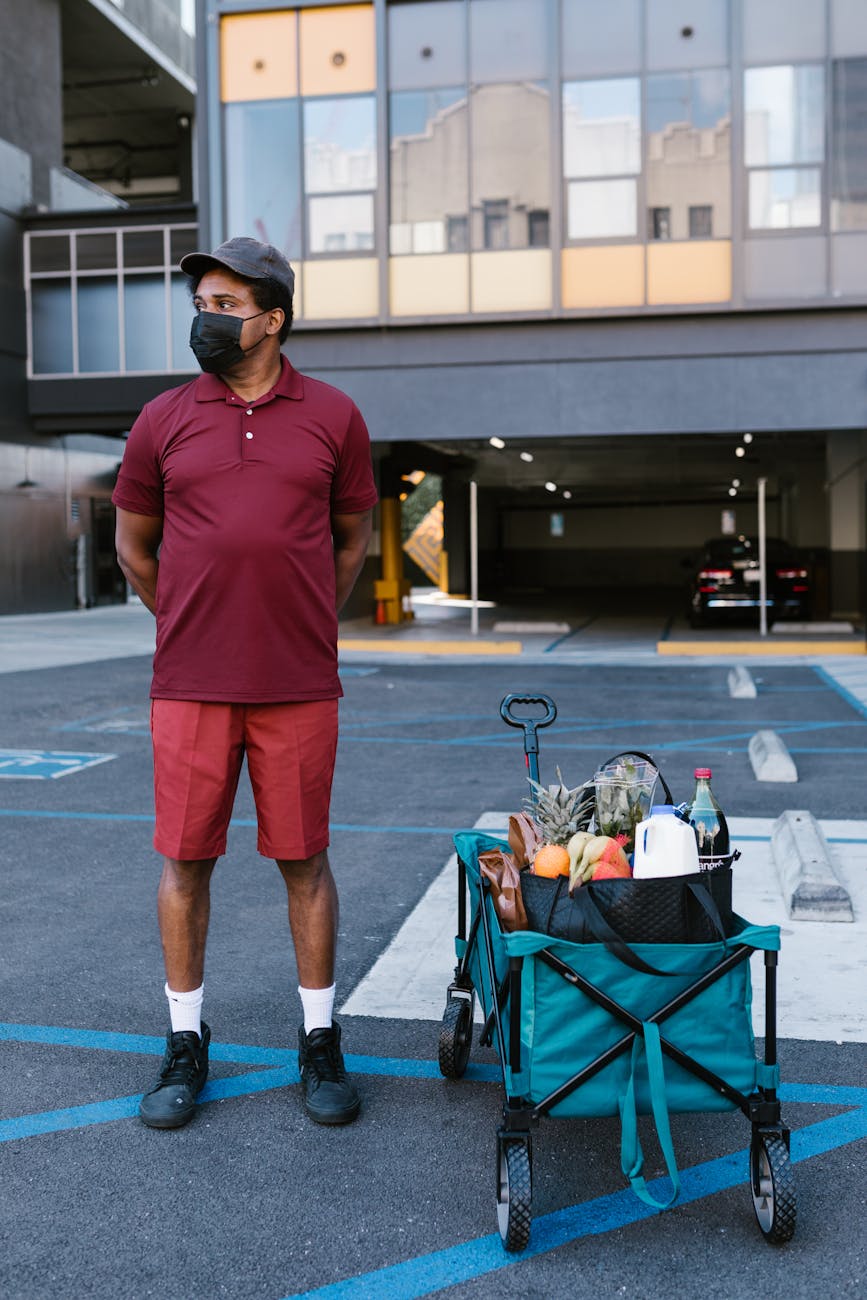
Dear DoorDash:
Thank you for the credit I received last week for the salad that was uncharacteristically spoiled. The last time I was able to smell food through layers of plastic was when I bought 75 cent submarine sandwiches at Kresge’s, which had red onions grown from stones.
I write today to ask you to consider expanding your business. Your service is a huge help to me—and while it isn’t perfect (you refunded me $12 once for a missing straw, then nothing for the wrong food), your system generally works, and makes life easier.
There’s another world of buying that needs your help. The Tuesday after Thanksgiving has earned the moniker of Giving Tuesday, where non-profit organizations move heaven and earth to ask for donations. I think they started this hoping to get at least some of consumer America’s cash before the holidays. Then again, since Giving Tuesday comes after Black Friday and Cyber Monday, I don’t know if their intended goal is well suited by this choice.
I find myself spending an inordinate amount of time on the computer on Giving Tuesday, answering the same basic questions for any online purchase over, and over, and over again.
They get my name.
And my email.
Twice.
Since their preselected amounts for giving can start at $250, I have to click Other and fill in the amount.
I have to decide if it’s OK to also pay the processing charge for an online donation.
Then all the credit card information, including time to go get my wallet if they don’t take the credit card whose number I’ve committed to memory.
I have to enter my phone number, after considering entering a fake one, since I don’t understand why they need that.
And then on to the next site.
I typically do all my giving for the year on this day, but I recently engaged in a flurry of urgent giving, since Americans on SNAP were starving (thank you, Congress) and Jamaicans were homeless (thank you, global warming). As I was going through the gauntlet of giving, this question came to me:
Why doesn’t DoorDash jump in on this?
You could create a section of your app and website charitable organizations could subscribe to, where they post a brief description of their work, and a link to their website. With one click on DoorDash, donors could select the places where their money should go—just like when we order food. We type in the amount—you wouldn’t have any preselected options—you send us to a summary page that includes your service fee (something we already pay to other places), and that’s it.
You have our credit card on file, as well as our contact information, so we end up spending a minute on something that now takes five or ten. Multiply that by four or five organizations, and that’s a lot of time saved for us. Multiply that by thousands of users, and that’s serious money for you. In addition, you can leave space for users to rate the organization and comment on why they contribute, allowing other users to learn more about each group’s work.
Best of all, access to these groups would be there year-round, with a gentle reminder of their existence visible whenever users DoorDash for other goods. This could lead to increased giving.
I know it’s too late for this year, but give it a thought. This may not make your dashers rich in their wallets, but it will make your users rich in soul and spirit.
And thanks again for the refund.
Policy
I could look at his cardboard sign
Beaten by rain
And his BigGulp cup
With the torn rim
Filled with change
From frequenters of the nearby drive thru.
But I couldn’t see the words
To apologize for a world
That may have led him here
Or couldn’t find a better way to help
Than giving him freedom
To roam the lawns at traffic lights.
Amazon sells small homes
For seven thousand dollars.
A thousand of those
Centered around community centers with washers
Is ten million dollars.
Fifteen dollars
Per Detroiter.
Not even a week
Of cable.
Our avoidance
Of the obvious
Often leaves many souls
Homeless
Including those
With warm beds.
Like what you see? Subscribe for free!
 Six O'Clock Sky
Leave a comment