My father’s work was a bit of a mystery when I was young. Returning home from a World War II stint in the islands of the Atlantic (no, really—Rhode Island, Coney Island, and the Battle of the Black Fly on Martha’s Vineyard), he followed his father’s footsteps as a phone company lineman. A summer or two swinging above ground in the heat doubtlessly inspired him to other pursuits, and he ended up working in commercial printing,
These were the heydays of the Big Three in Detroit, and entertaining clients well was not just a must; it was also tax deductible. Thus began a series of Christmases where the UPS truck would make four daily stops at our house, the conduit of gifts from Dad’s suppliers and buyers. Baseball tickets in box seats were easy enough to get, and the IRS’s support of the Two (Three? Four?) Martini Lunch guaranteed him two-hour weekday meals featuring steak.
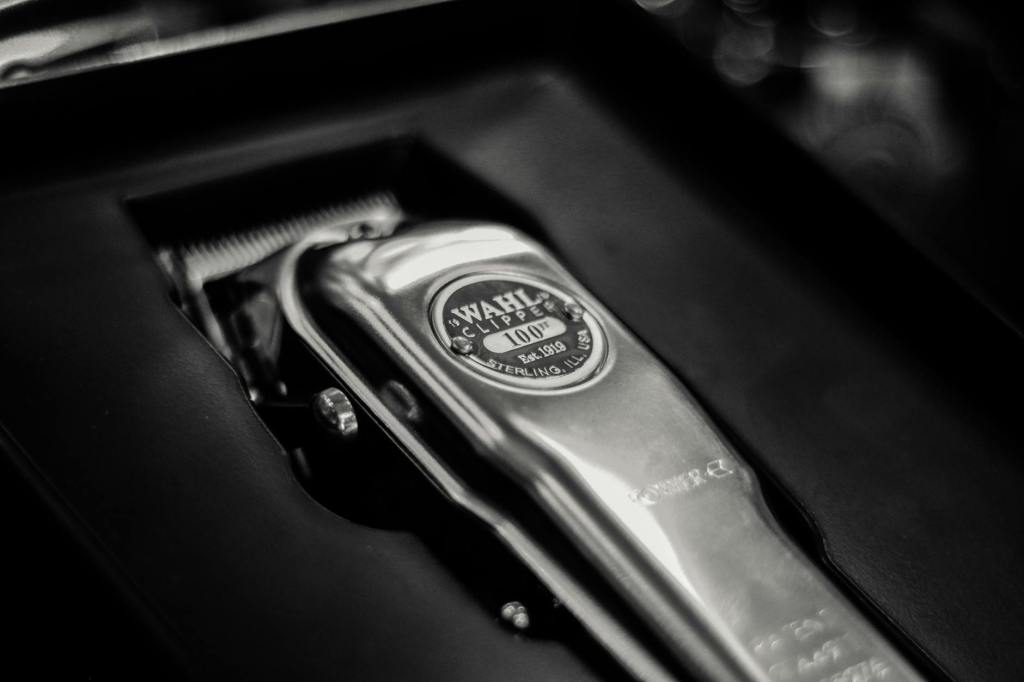
We went to work with Dad one day. He made a few phone calls while my brother and I spun around in comfortable desk chairs, and then we headed to the barber. Dad was trying to hone his skills as a home barber, a skill which (love ya Dad) he never quite perfected. He was hoping his barber—who had a wonderful accent and embodied an aroma of electric shears oil—might be able to offer him some pointers.
A stop in the office led to two more phone calls, then lunch, sans the martinis. Three more phone calls, and it was time to call it an early day. I left thinking, if this is all Dad has to do to keep a roof over our heads and get all those presents at Christmas, the world of work wasn’t so bad after all.
Dad moved to the management side, and I spent a holiday break working at the office. The economy was sliding, so we ordered in deli for lunch, my first exposure to what I would always call a Number 5—corned beef, Swiss, Cole slaw, and Thousand Island dressing on rye. I also saw the affect and effect of an office New Year’s Party, where every stereotype of sitcoms paled in comparison. When left alone, many men can really, really drink.
A tough economy and an unforgiving union required him to merge with another company and move to South Carolina. The merger didn’t work, and Mom and Dad moved 13 times in the next 10 years for Dad’s work, ending back in Detroit. Dad reinvigorated the company, then sold it one last time, when he retired to a house on the lake, something he had always wanted to do, but never managed to mention.
And that was my Dad, in business, and in many ways. His career was one of innovation, celebration, disillusionment with the weaknesses of too many business partners, and many nights of falling asleep in front of the television. But a roof was always over our heads, food was always on the table, and Christmas was always pretty wonderful, even once the UPS truck stopped coming.
Better than that, Dad always had that look in his eyes, the expectation that life really was wonderful underneath it all—a look he particularly shared when his kids finally got around to bringing him grandchildren. I kept his office stapler when we cleaned out his effects, a reminder of all he did without fanfare or expectation of credit. When I use it, the smell of a Number 5 and Dad’s Vitalis fills the air, and his quiet smile fills the room.
Syrup Hands
You think how hard you work
Shows best your love of heirs
Rise up ‘fore dawn
And so be gone
When they wake you aren’t there.
You say what makes it right
Is all the latest things
A phone that’s smart
A house apart
And other kinds of bling.
But nicer trips and faster cars
Aren’t really where their values are.
A stack of pancakes waits
Steaming and askew
They need a hand
To cut them and
They wish that hand was you.
It’s great you make their games
And clap at them for plays
What more endures
Tends to occur
On lazy jammie days.
With sticky syrup hands that show
You love them more than they could know.
Like what you see? Subscribe for free!
 Six O'Clock Sky
Leave a comment